Asthma Symptoms, Triggers And Care
- Home
- Asthma Symptoms, Triggers And Care

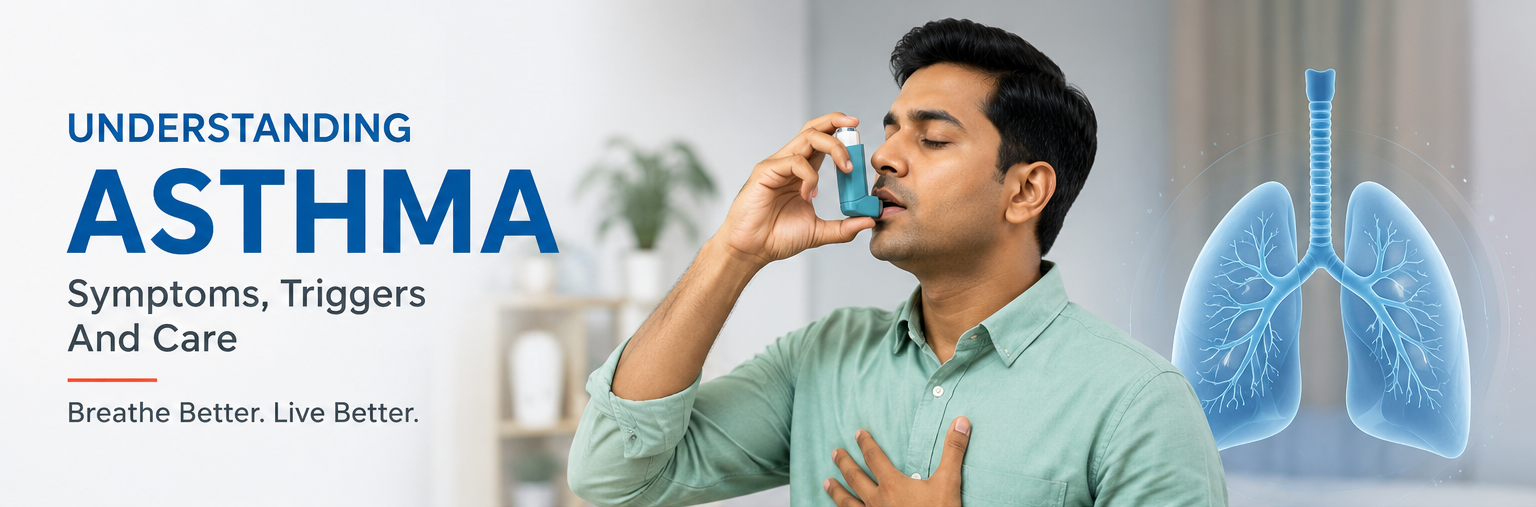
Asthma is a long-term breathing condition in which the airways become sensitive, swollen, and narrow from time to time. When this happens, air does not move in and out of the lungs as easily as it should. Some people notice mild symptoms only during a cold or after exercise, while others may have frequent breathlessness, cough, or wheezing that affects sleep, work, school, and daily activity. The good news is that asthma can often be controlled well when symptoms are understood early, triggers are identified, and treatment is followed properly under medical guidance.
Dr. Manan Bedi, a pulmonology doctor, focuses on helping patients understand their breathing pattern, recognize warning signs, and build a practical plan for better respiratory health. Asthma care is not only about taking medicine during an attack. It includes knowing what starts symptoms, using inhalers correctly, monitoring changes, preventing flare-ups, and seeking help at the right time. A clear care plan can reduce fear, improve confidence, and help patients stay active with fewer interruptions.
Asthma symptoms can look different from person to person. The most common symptoms include wheezing, shortness of breath, chest tightness, and repeated coughing. Wheezing is a whistling sound that may be heard while breathing out. Shortness of breath may feel like not getting enough air or needing to pause during normal activities. Chest tightness can feel like pressure or heaviness across the chest. Cough may be dry or may come with mucus, and it can become worse at night, early morning, after exercise, during weather changes, or after exposure to dust, smoke, or strong smells.
Some patients do not have obvious wheezing. They may only have a persistent cough, frequent throat clearing, tiredness during activity, or repeated episodes that are mistaken for seasonal cold. Children may show asthma through coughing after running, disturbed sleep, reduced play, or breathing faster than usual. Adults may notice that climbing stairs, laughing, exposure to pollution, or viral infections trigger breathing trouble. Because symptoms can overlap with allergy, infection, acid reflux, heart disease, or other lung conditions, persistent symptoms should be assessed by a qualified doctor.
Asthma control begins with awareness: recognize symptoms early, understand your triggers, and follow a care plan made for your breathing needs.
A trigger is anything that irritates the airways and starts or worsens asthma symptoms. Common triggers include dust, pollen, mold, pet dander, smoke, air pollution, cold air, strong perfumes, cleaning chemicals, and workplace fumes. Viral infections such as cold and flu are also major triggers. For some people, exercise can bring on symptoms, especially when the air is cold or dry. Others may worsen after exposure to cockroach particles, indoor dampness, certain medicines, emotional stress, or acid reflux. Food is a less common trigger, but severe allergy can affect breathing and needs urgent care.
Finding triggers takes careful observation. Patients can keep a symptom diary noting time of day, activity, weather, food, exposure, and medicine use. This record helps identify patterns that may not be obvious during a short clinic visit. Trigger control does not mean avoiding life; it means making smart changes. Regular cleaning, reducing dust collection, avoiding smoke, improving ventilation, wearing a mask during heavy pollution when advised, treating nasal allergy, and taking vaccinations as recommended may all support better control. Each patient's trigger plan should be realistic and personalized.
Asthma evaluation usually starts with a detailed history and physical examination. The doctor may ask when symptoms started, how often they occur, what brings them on, whether sleep is disturbed, and how symptoms respond to inhalers or previous medicines. Lung function testing may be advised when appropriate to measure airflow and help confirm airway narrowing. Oxygen saturation, chest imaging, allergy assessment, or infection evaluation may be considered based on symptoms. The goal is to confirm the likely cause, understand severity, and rule out other conditions that can mimic asthma.

Asthma treatment is based on symptom frequency, severity, risk of attacks, age, other illnesses, and response to previous medicines. Inhalers are commonly used because they deliver medicine directly to the airways. Some inhalers help reduce airway swelling over time, while others may be used for quick relief as advised. A major part of asthma care is correct inhaler technique. Even the right medicine may not work well if the inhaler is used incorrectly. Patients should ask for a demonstration and bring their inhaler during follow-up so technique can be checked.
A written asthma action plan can be very helpful. It explains daily medicine, what to do when symptoms increase, when to use rescue treatment, and when to seek urgent help. Patients should not stop or change prescribed treatment without medical advice, even if they feel better. Poorly controlled asthma can return suddenly. Regular follow-up allows the doctor to adjust treatment, review triggers, check side effects, and decide whether therapy can be stepped up or stepped down safely.
Asthma can become serious. Seek urgent medical care if there is severe breathlessness, difficulty speaking full sentences, bluish lips or fingers, drowsiness, confusion, chest pain, very fast breathing, poor response to reliever medicine, or worsening symptoms despite treatment. Children, elderly patients, pregnant patients, and people with previous severe asthma attacks should be especially careful. Emergency signs should not be managed at home or delayed for a routine appointment.
Good asthma control comes from consistent daily habits. Avoid smoking and secondhand smoke. Reduce dust exposure where possible. Keep bedding clean. Manage allergies and sinus symptoms. Warm up before exercise and follow medical advice if activity brings symptoms. Stay hydrated, sleep well, and maintain overall fitness within personal limits. Keep rescue medicine accessible if prescribed. Review inhaler technique regularly. Track symptoms and notice if night cough, frequent reliever use, or activity limitation increases. These changes can alert you that asthma is not fully controlled.
Asthma is manageable, but it should be taken seriously. With the right evaluation, trigger awareness, inhaler education, and follow-up, many patients can breathe better and live more comfortably. If you or a family member has repeated cough, wheezing, breathlessness, or chest tightness, consult Dr. Manan Bedi or a qualified healthcare professional for proper assessment and individualized care.